



For the past several years, much of the AI infrastructure conversation has centered on training. Larger models required larger clusters, and the race was largely about assembling enough compute to build them.
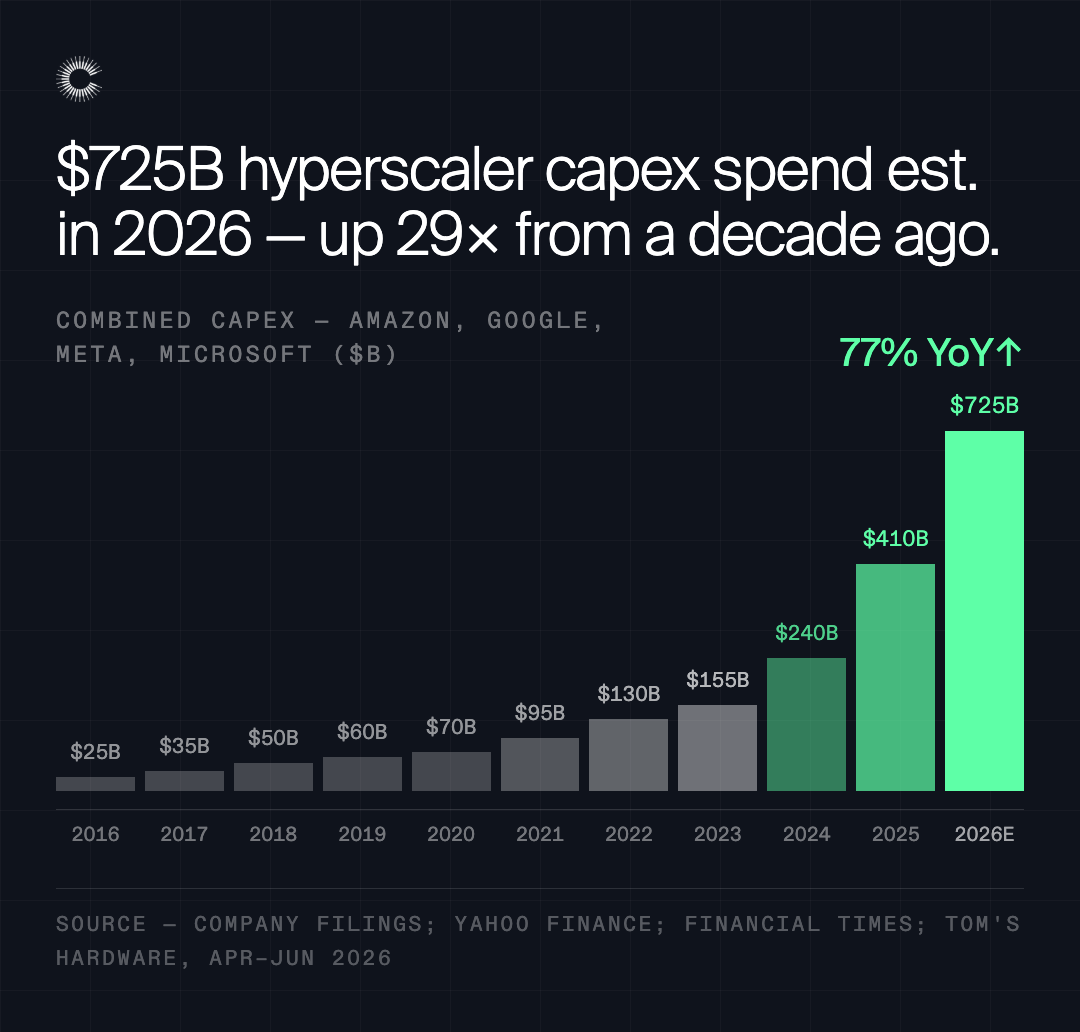
Inference changes the calculation.
Every query now has a cost. Every token has to be generated somewhere. And when these systems move from occasional human prompts toward software agents making repeated model calls, seemingly small differences in latency, memory movement, and energy consumption compound very quickly.
That was the subject of a panel I recently moderated at Deep Tech Week San Francisco with Abhi Ingle of SambaNova, Rajiv Khemani of Velaura AI and Upscale AI, and Barun Kar of Upscale AI.
The discussion reinforced something I believe will increasingly shape the AI infrastructure market: inference is not simply the second act of training. It is becoming a distinct market with its own economics, workloads, and hardware requirements.
I share some of my biggest takeaways from the discussion below.
Inference is becoming the workload
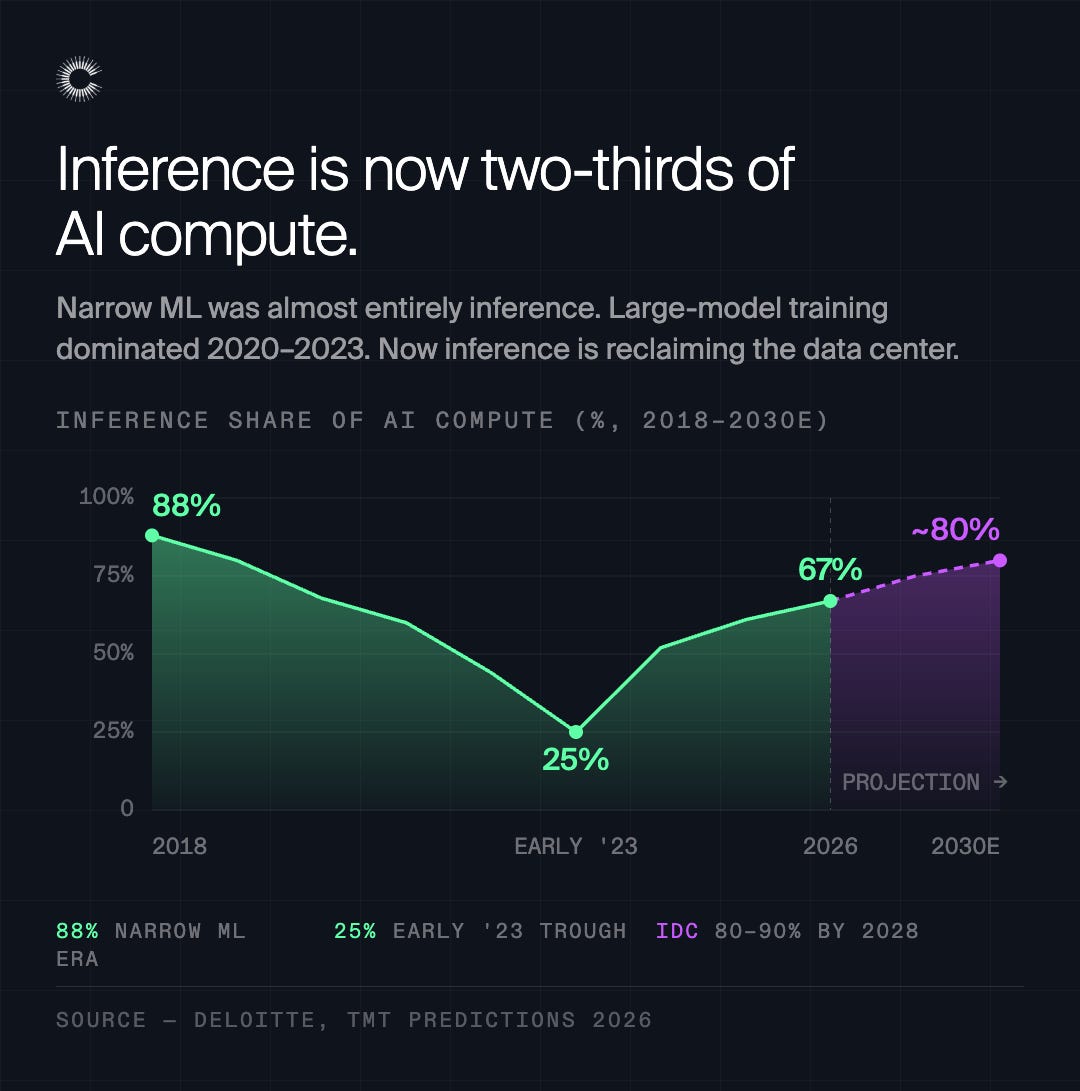
The shift is already visible in the numbers.
Inference has moved from roughly one-quarter of AI compute in early 2023 to about two-thirds today, with projections suggesting it could approach 80 percent by the end of the decade. At the same time, the cost of inference has fallen dramatically. The panel data showed the cost per million tokens falling from roughly $20 in late 2023 to pennies today.
Normally, a 99 percent reduction in unit cost would sound like a story about spending less.
AI appears to be doing the opposite.
Enterprise AI spending is rising rapidly because cheaper tokens encourage vastly more consumption. More users interact with models. Applications generate longer contexts. Reasoning models perform more intermediate computation. Agents can make dozens or hundreds of model calls while completing a single task.
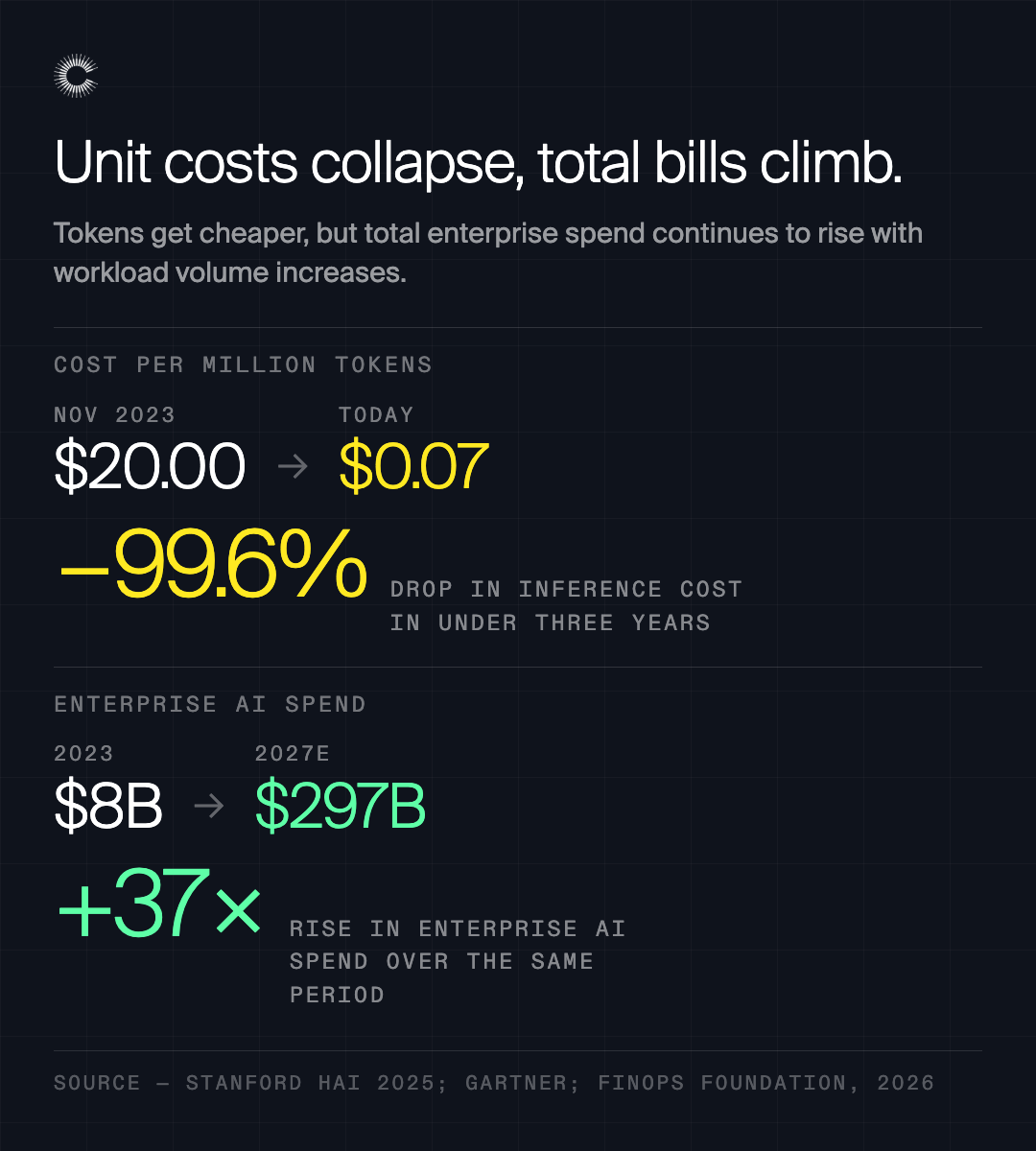
This is a familiar pattern in computing. Lower unit costs tend to create new uses faster than they reduce the total bill.
The consequence is that the economics of inference matter more, not less, as the cost of individual tokens falls.
There will not be one inference market
One mistake is to treat all inference as the same workload.
Consider a consumer asking a chatbot a question. A customer service application processing thousands of conversations. An autonomous coding agent working for several minutes. A batch job processing millions of records overnight.
These applications have very different priorities.
Some customers care most about response time. Others care about cost. Some require the largest available models. Others can use smaller models very efficiently. A reasoning application may tolerate higher power consumption if it produces a better result. A high-volume customer service workload may make a very different trade.
Rajiv made the point that AI compute is already becoming more segmented and heterogeneous for precisely this reason.
This is important because much of the infrastructure deployed during the training phase assumed something closer to a universal compute architecture. Inference makes specialization economically attractive.
Training hardware can carry an inference tax
The distinction becomes clearer when inference itself is separated into prefill and decode.
Prefill processes the prompt and establishes the model’s context. It involves substantial parallel computation.
Decode is the process of generating the output token by token. It is much more sensitive to memory bandwidth and data movement.
A processor architecture designed primarily to maximize arithmetic throughput may therefore be excellent at one part of the workload and less efficient at another.
Abhi described this as an opportunity to combine rather than necessarily replace architectures. SambaNova has demonstrated systems in which GPUs handle prefill while its dataflow architecture handles decode.
That is an interesting model for where the market may be heading.
Instead of asking which single processor will replace the GPU, the better question may be which processor should execute each portion of a workload.
The analogy is less PC versus mainframe and more an increasingly specialized computing system in which different engines are selected according to the task.
Heterogeneous compute makes the network more important
Once different processors begin working together, the problem quickly becomes one of communication.
Barun drew a useful distinction between scale-up and scale-out networking. Scale-up connects accelerators inside a rack or a tightly coupled group of racks. Scale-out connects many of those systems across a much larger cluster.
Traditional data center networks were designed primarily to connect servers and storage. AI back-end networks increasingly connect processors that need access to one another’s memory with extremely low and predictable latency.
That difference matters.
A conventional application can often tolerate a delayed packet. A tightly coupled AI workload may leave many costly processors waiting while one piece of data arrives.
The industry is therefore adapting Ethernet rather than simply discarding it. Ethernet has changed repeatedly over its history, from shared and lossy networks to switched, increasingly lossless fabrics. New standards are now extending it again for AI scale-up and scale-out systems.
The important development is not Ethernet versus some completely different technology. It is that the interconnect is being redesigned for a new type of traffic.
Open systems become more valuable as compute fragments
This also explains why open standards matter.
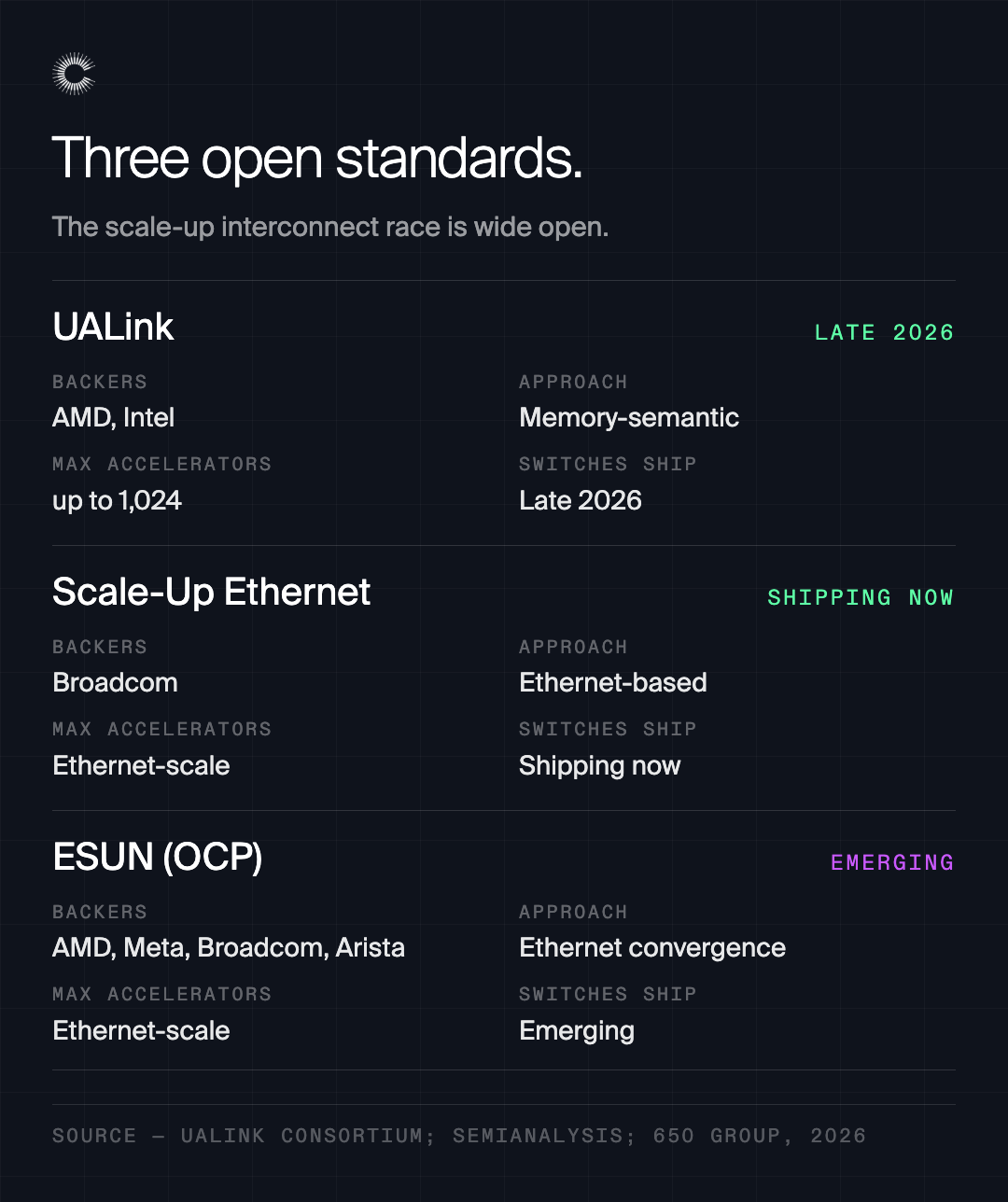
A homogeneous cluster is comparatively straightforward. A heterogeneous cluster containing GPUs, specialized inference processors, custom accelerators, and potentially different memory architectures requires a common way to connect and manage them.
NVIDIA has begun opening parts of its own rack architecture through efforts such as NVLink Fusion. At the same time, industry initiatives including UALink and Ultra Ethernet are creating alternatives around more open interfaces.
I do not expect this to produce a completely commoditized market. High-performance computing rarely works that way.
But there is a strong economic incentive for customers to avoid being forced into the same processor for every workload.
The more inference fragments, the more valuable that flexibility becomes.
Sovereign AI makes the same argument from a different direction
The sovereign AI market illustrates the point.
A hyperscaler in the United States can build extremely large facilities around a relatively standardized architecture. Many governments cannot. They may have less available power, fewer suitable data centers, different data-residency requirements, and a stronger preference for avoiding dependence on a single supplier.
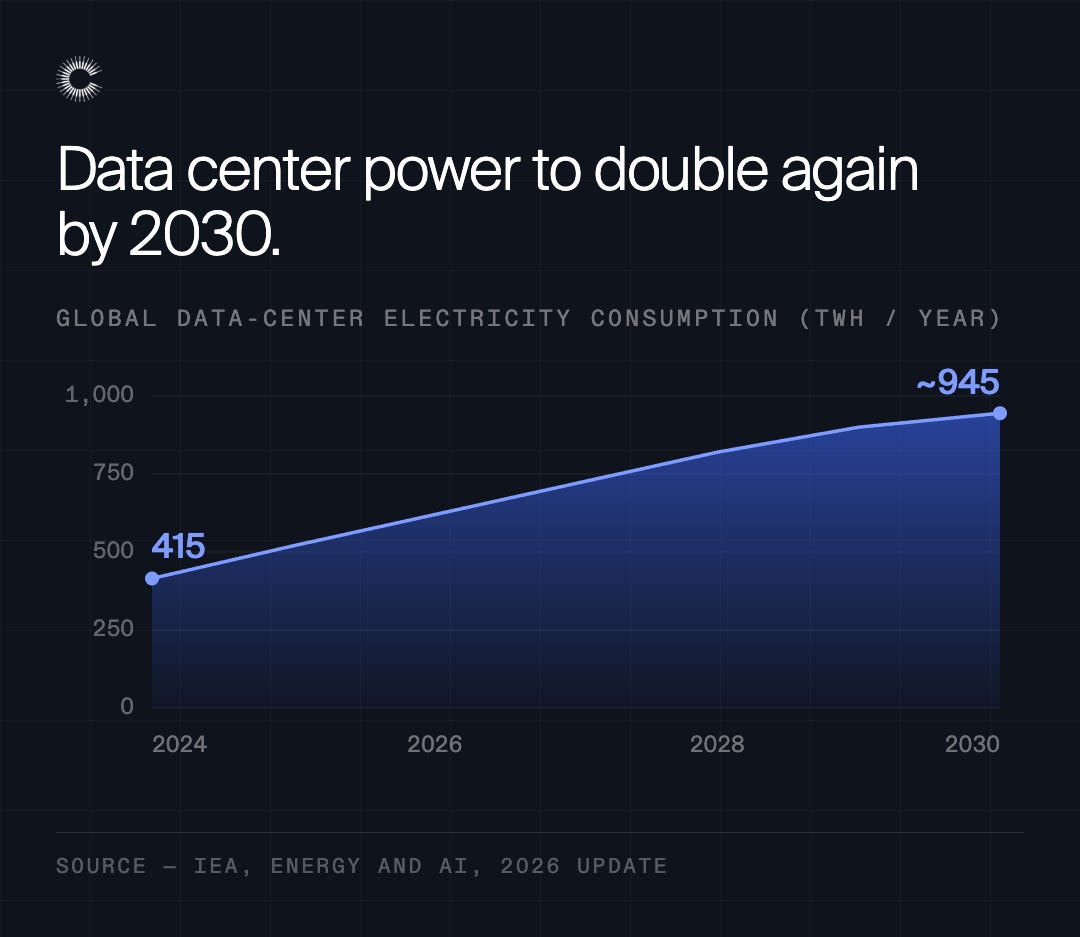
Their optimization problem is therefore different.
A sovereign customer may prefer several types of compute, using each where it performs best, while retaining the ability to run locally customized or open models inside its own infrastructure.
Abhi noted that this is already an important part of SambaNova’s deployments. A relatively small number of racks capable of running large models within existing facilities can be particularly useful in markets where neither power nor data center capacity is abundant.
This is not simply a question of sovereignty. It is another example of inference creating different customer requirements and therefore different hardware choices.
Software will determine how much choice customers actually have
Hardware heterogeneity is only useful if developers can use it.
NVIDIA’s CUDA ecosystem remains one of the strongest advantages in the industry. Millions of developers have learned its tools over many years, and changing developer behavior is difficult.
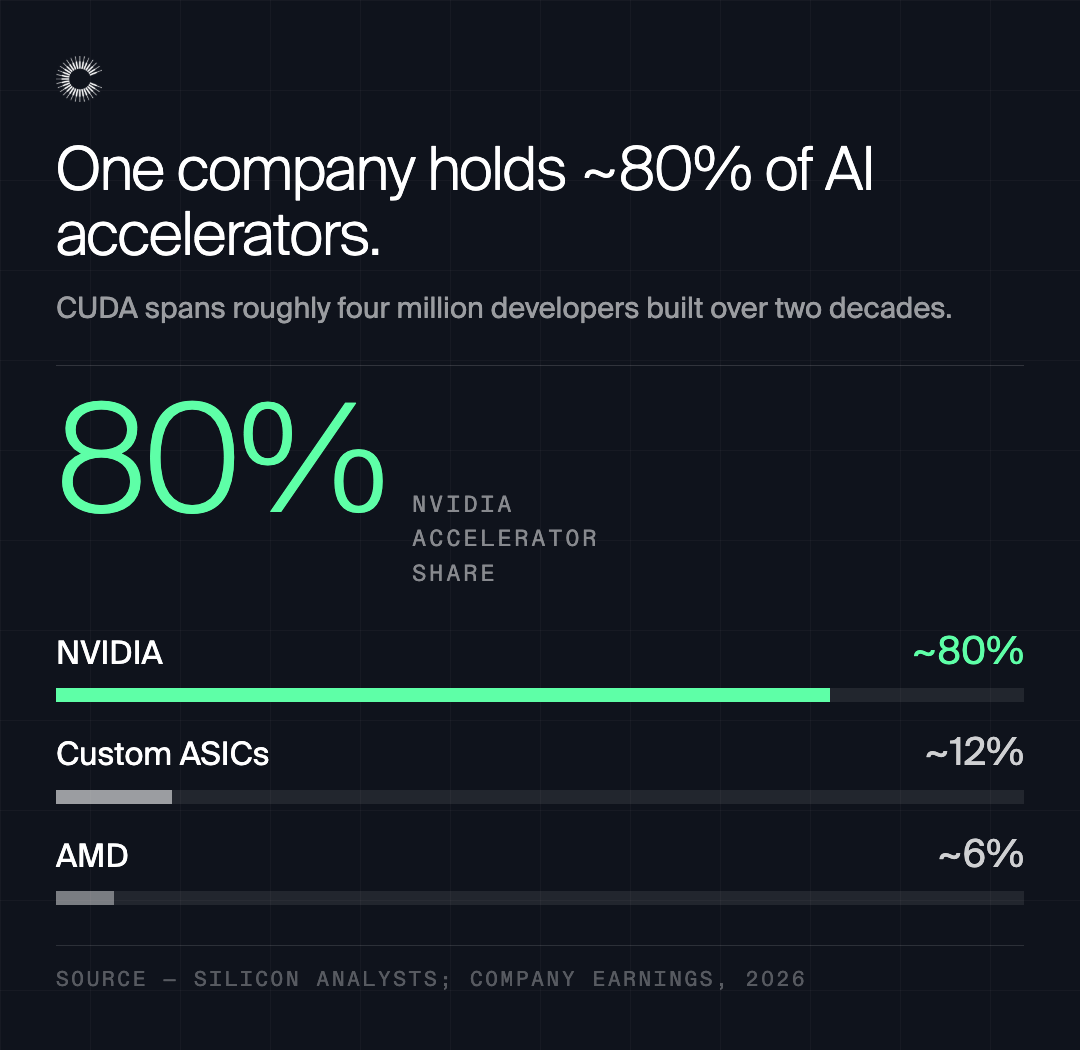
But the software layer is also moving upward.
Many AI developers now interact primarily with PyTorch and inference frameworks such as vLLM and SGLang rather than writing directly to low-level processor interfaces.
If alternative hardware can plug into those frameworks cleanly, customers can change the underlying compute without asking every developer to change the way they work.
This may prove to be one of the most important conditions for a genuinely heterogeneous inference market.
The alternative is technically excellent hardware that nobody wants to rewrite software to use.
We have seen that movie before.
The hardware cycle and the AI cycle run at different speeds
We ended the panel by asking each executive what concerns him most.
The common answer was change.
A semiconductor company may spend years developing a product. AI models, software frameworks, and customer requirements can now change materially during that same period.
Abhi emphasized execution and organizational flexibility. Rajiv made a similar point: a company cannot establish a five-year plan and assume the market will wait for it.
This may be one of the defining challenges for the current generation of AI hardware companies.
The physics still takes time. Tape-outs still take time. Qualification still takes time. Manufacturing still takes time.
Customers no longer do.
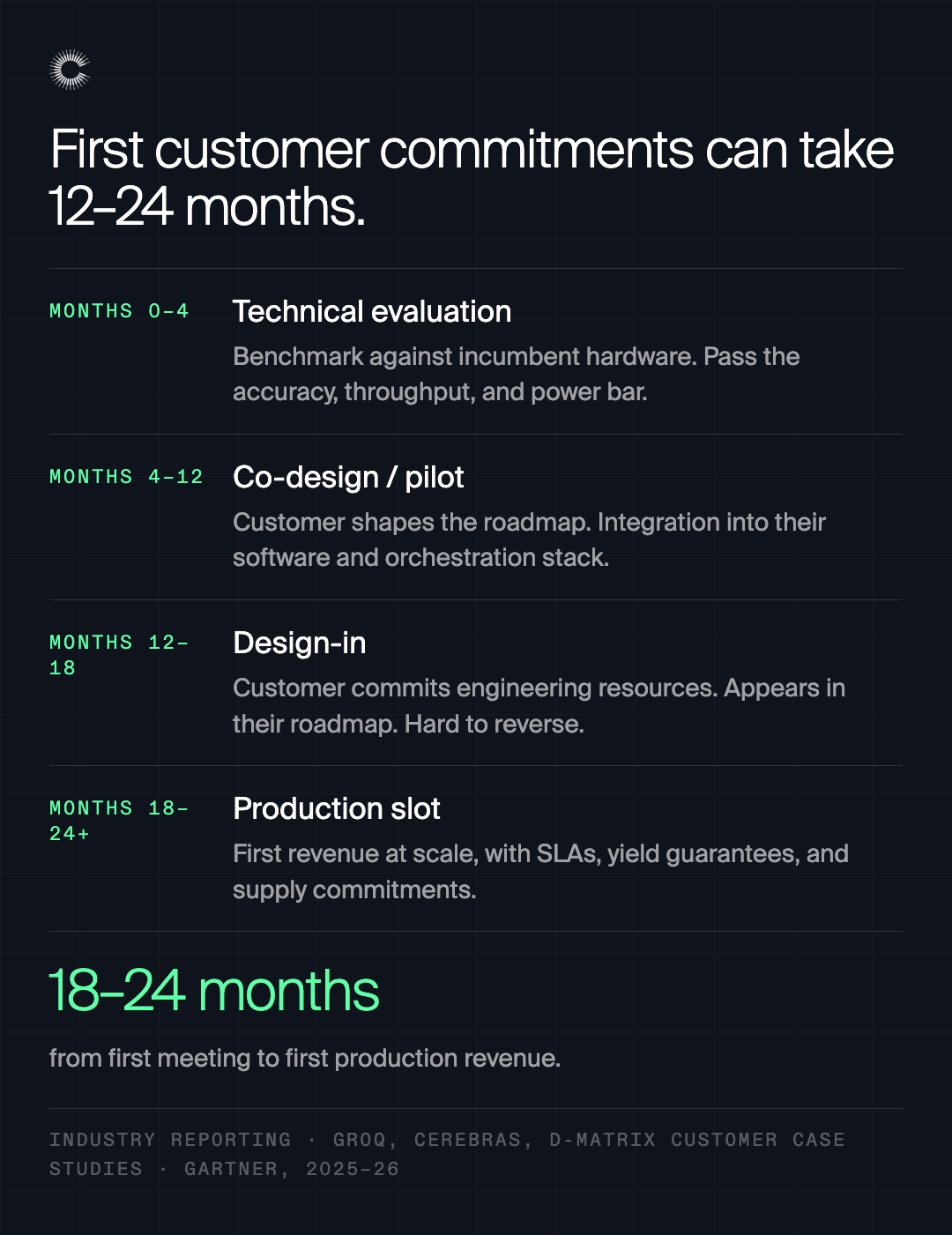
The winning companies will need enough technical conviction to build something difficult, while remaining flexible about exactly where the market ultimately values that technology.
The inference era will be more fragmented than the training era
The training market produced an unusually concentrated architecture because the problem itself favored enormous, homogeneous clusters and because the cost of switching was so high.
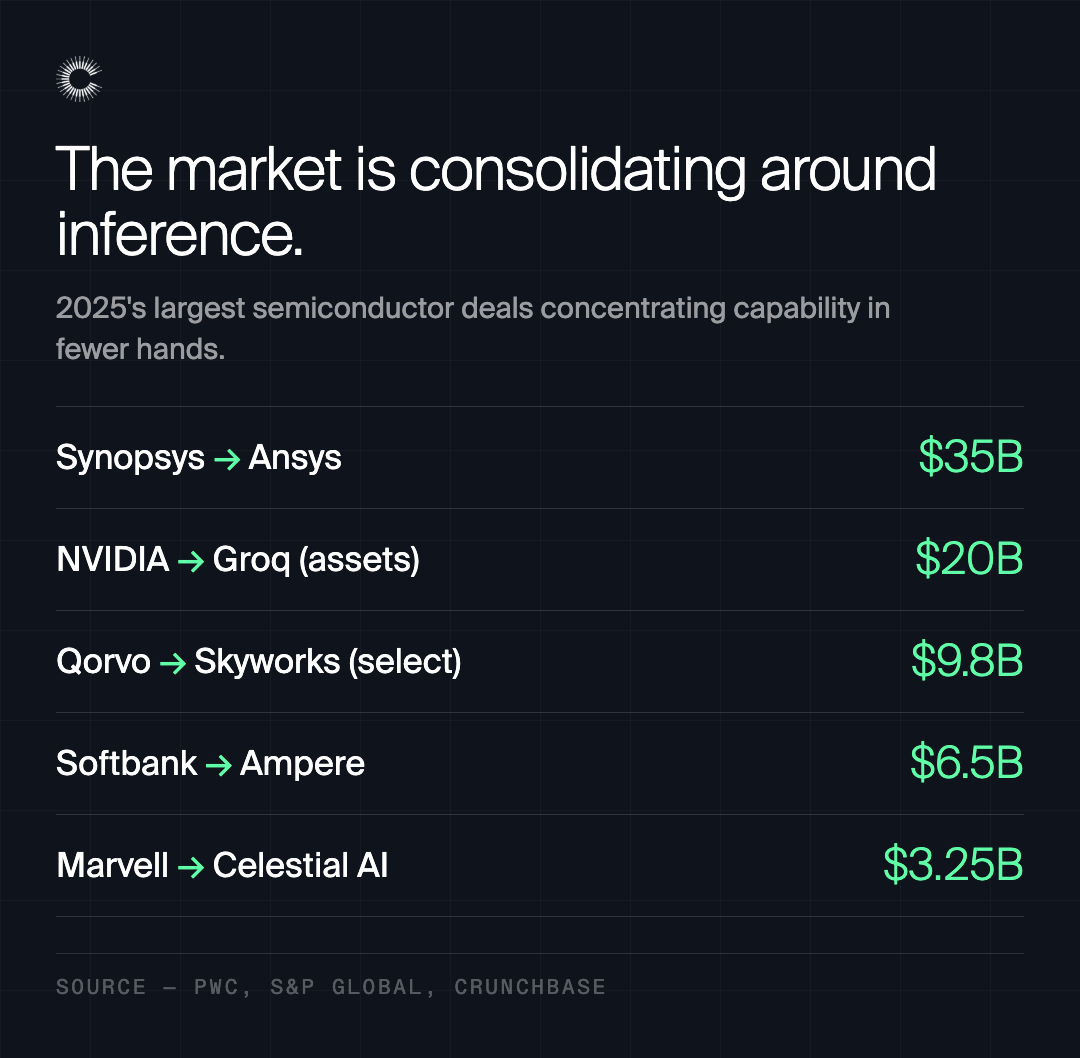
Inference is different.
It spans more applications, more deployment environments, more economic models, and more performance requirements. As it becomes the majority of AI computation, I expect the infrastructure underneath it to become correspondingly more diverse.
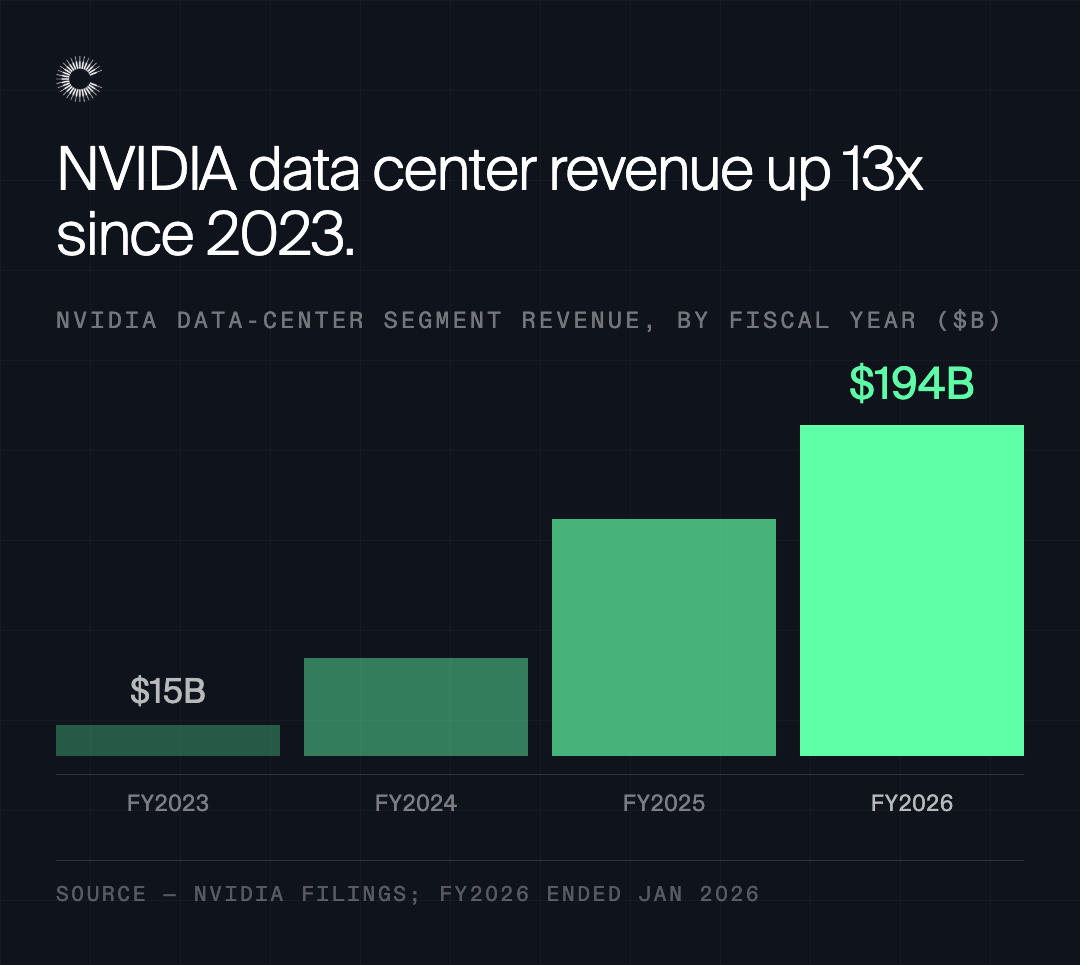
That does not mean NVIDIA disappears. Quite the opposite. NVIDIA will remain a formidable participant across many of these workloads.
It means there is room for more than one correct answer.
Some workloads will optimize for speed. Others for energy. Others for model size, latency, local deployment, or cost. The resulting system may combine several processor architectures, connected through increasingly open networks and hidden beneath software that allows developers to care less about which chip executed which operation.
Training was largely a race for compute capacity.
Inference is becoming a competition over compute economics.
That is a different market, and we are only beginning to see what its structure will look like.
Sriram Viswanathan is the Founding Managing Partner of Celesta Capital, a deep tech venture capital firm based in Silicon Valley. He has more than 30 years of experience in technology operations and venture capital. Prior to Celesta, he founded IndusAge Partners, and earlier spent nearly two decades at Intel Corporation in senior roles across the Intel Architecture Group, Intel Capital, and the company’s incubation and innovation efforts, beginning his career supporting Intel’s legendary CEO, Andy Grove.